

Drywall Mold Removal in London, OH
Central Ohio's persistent humidity through spring, summer, and fall creates sustained moisture conditions that can penetrate drywall, especially in older homes with basements or crawl spaces where moisture accumulates over time. Drywall mold removal requires prompt attention to prevent structural compromise and protect indoor air quality. Norbert Mold Remediation connects London property owners with local independent providers who can assess affected drywall, contain the problem safely, and handle removal to restore a healthier home environment.
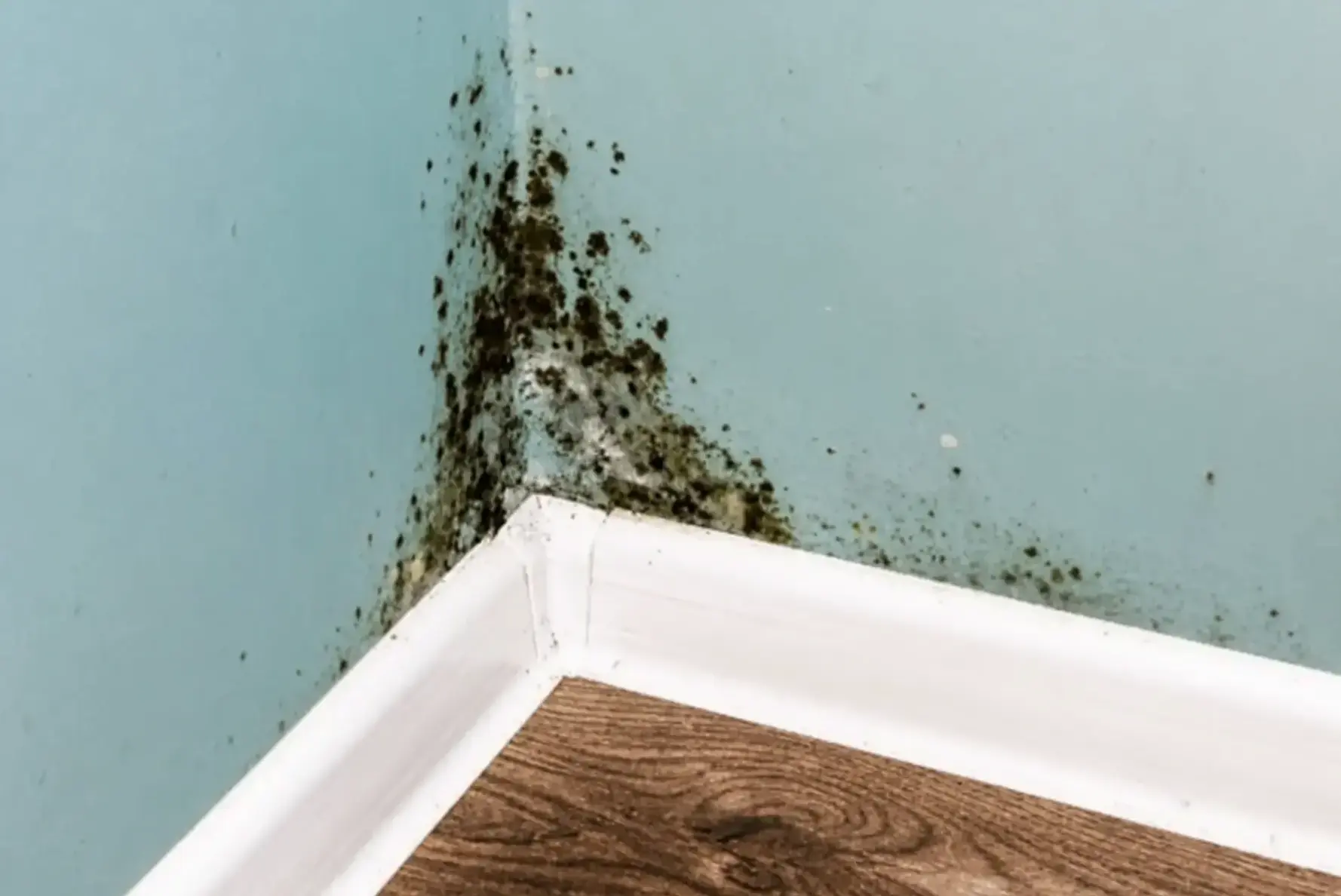
What gets cleaned in a wall cavity, and what comes out
The honest answer to “does this come out, or can it be cleaned?” turns on two things — what the material is, and how many square feet are affected. Those are the two axes of the EPA’s own remediation table, reproduced below for the materials usually found in a wall cavity.
| Material | Under 10 sq ftabout a cabinet door, or one ceiling tile | 10 to 100 sq ftroughly one wall, or a small bathroom | Over 100 sq ftmore than one room's worth of surface |
|---|---|---|---|
| Wallboardthe wallboard itself, both facesEPA, Table 2 | HEPA vacuum | HEPA vacuumRemove and discard | HEPA vacuumRemove and discard |
| Wood surfacesstuds, plates and sheathing behind itEPA, Table 2 | Wet vacuumDamp wipeHEPA vacuum | Wet vacuumDamp wipeHEPA vacuum | Wet vacuumDamp wipeHEPA vacuumRemove and discard |
What those methods mean, in EPA's words
- Wet vacuum
Wet vacuums are vacuum cleaners designed to collect water. They can be used to remove water from floors, carpets and hard surfaces where water has accumulated.
EPA, cleanup methods- Damp wipe
Mold can generally be removed from nonporous (hard) surfaces by wiping or scrubbing with water, or water and detergent.
EPA, cleanup methods- HEPA vacuum
HEPA (High-Efficiency Particulate Air) vacuums are recommended for final cleanup of remediation areas after materials have been thoroughly dried and contaminated materials removed.
EPA, cleanup methods- Remove and discard
Building materials and furnishings that are contaminated with mold growth and are not salvageable should be double-bagged using 6-mil polyethylene sheeting.
EPA, cleanup methods
Removed and replaced, whatever the area
- Fiberglass or other insulation — batt or blown insulation in the stud bay.
Fiber glass, or any other insulation material that is wet or visibly moldy (or if an unacceptable odor is present) should be removed and replaced by a qualified heating and cooling system contractor.
EPA, air duct cleaningEPA states this in its heating-and-cooling guidance and it is quoted here as written. Its water-damage table reaches the same conclusion for both fiberglass and cellulose insulation.
These guidelines are for damage caused by clean water. If you know or suspect that the water source is contaminated with sewage, or chemical or biological pollutants, then Personal Protective Equipment and containment are required by OSHA.
EPA, Table 1Porous materials that are wet and have mold growing on them may have to be discarded.
EPA, cleanup methodsMold can grow on wood, drywall, carpet and furniture if they remain wet for more than 24 hours.
EPA, flood cleanup
What shows on the painted face is usually smaller than what is inside the cavity, because the paper facing and the stud bay stay wet long after the surface looks dry. That is why the area measured on the wall and the area actually remediated are rarely the same number. The studs behind are often salvageable even when the board is not.
37.2% of homes in London predate 1960. Older construction hides more of its plumbing and framing behind finished surfaces, which is why what shows on the wall is usually smaller than what is behind it.Source: US Census Bureau, American Community Survey 2023 5-year estimates, table B25034 — London city (4,749 housing units)
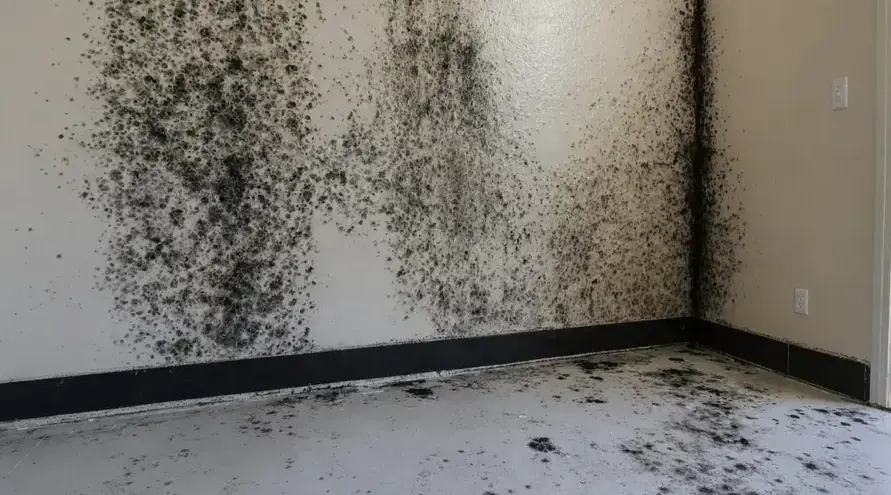
Drywall Mold Removal Solutions for London, OH Homes
Property owners throughout London face persistent moisture challenges due to the region's humid continental climate, where spring, summer, and fall typically bring sustained high humidity levels rather than isolated wet periods. Older homes common to central Ohio, many featuring basements or crawl spaces, naturally accumulate moisture in these lower areas, and that trapped water vapor migrates upward into walls and drywall throughout the house. When drywall becomes saturated or exposed to prolonged dampness, mold colonization follows—sometimes visibly on surfaces, often hidden within wall cavities where it poses risks to indoor air quality and structural integrity alike. Drywall mold removal is not a simple surface clean; it requires identifying moisture sources, containing spores during removal, and addressing the drywall itself before it deteriorates further.
Norbert Mold Remediation connects London property owners with independent local mold removal providers who approach drywall contamination with care and precision. These professionals conduct thorough inspections to locate affected drywall sections, establish containment to prevent spore spread, and perform safe removal and replacement where needed. Follow-up moisture assessment and remediation of the underlying water intrusion source are essential to prevent recurrence. By linking you with responsive, local providers rather than national chains, Norbert helps ensure that your drywall mold removal is handled thoughtfully and tailored to your home's specific conditions. When moisture and mold threaten your property's integrity and your family's comfort, the right local connection makes all the difference.
Why London Property Owners Choose Norbert for Drywall Mold Removal
Fast Local Drywall Mold Removal
Norbert connects you with independent providers near London who respond quickly to drywall mold concerns. Rapid assessment and removal prevent moisture from spreading deeper into wall cavities and framing.
Clear Communication Throughout Removal
Independent providers in the Norbert network explain drywall mold removal findings and next steps in plain language. You'll understand containment methods, affected areas, and restoration timelines before work begins.
Thorough Drywall Mold Removal Process
Providers address visible drywall mold and hidden growth within walls using proper containment and removal techniques. Safe handling protects your home's structure and indoor air quality during the entire process.
Mold Thrives in Persistent Indoor Moisture
Central Ohio's high humidity during spring, summer, and fall creates year-round moisture in many homes. Basements and crawl spaces trap humidity, making drywall mold removal essential to stop regrowth and protect your property.
How Our Drywall Mold Removal Process Works
Schedule Your Drywall Mold Removal Visit
Contact Norbert Mold Remediation to arrange a drywall mold inspection in London, OH. We'll connect you with a local independent provider who can assess affected wall cavities, interior surfaces, and moisture sources driving mold colonization.
Inspect and Diagnose Drywall Mold Damage
The independent provider you're connected with will evaluate the extent of mold within drywall, identify moisture conditions—particularly common in London's humid climate—and determine whether affected sections require removal or targeted remediation to restore safe indoor air quality.
Complete Drywall Mold Removal and Prevention
Once diagnosis is complete, the local provider will remove contaminated drywall, address underlying moisture, and install new materials. Follow-up guidance helps you maintain dry conditions and reduce future mold recurrence in your home.
Dealing with Drywall Mold Removal in London? Get fast, professional help.
Call Now — (740) 224-8854Drywall Mold Removal Serving London and Surrounding Areas
London's position in central Ohio's humid continental climate creates persistent moisture conditions throughout spring, summer, and fall—not just during isolated wet weather events. This ongoing elevated humidity, combined with the prevalence of basements and crawl spaces in many older homes across the region, establishes an environment where moisture regularly accumulates in wall cavities and behind drywall. When water vapor or seepage reaches interior wall surfaces, drywall becomes a common site for mold colonization, since the material's porous structure readily absorbs and retains moisture.
Drywall mold removal in London requires attention to both the visible affected areas and the moisture conditions driving growth. Local property owners benefit from working with independent remediation providers who understand how seasonal humidity patterns and typical construction methods in the area create sustained risk. Norbert Mold Remediation connects London homeowners and business owners with local providers equipped to identify moisture sources, safely remove affected drywall sections, and help restore indoor air quality without unnecessary alarm or delay.
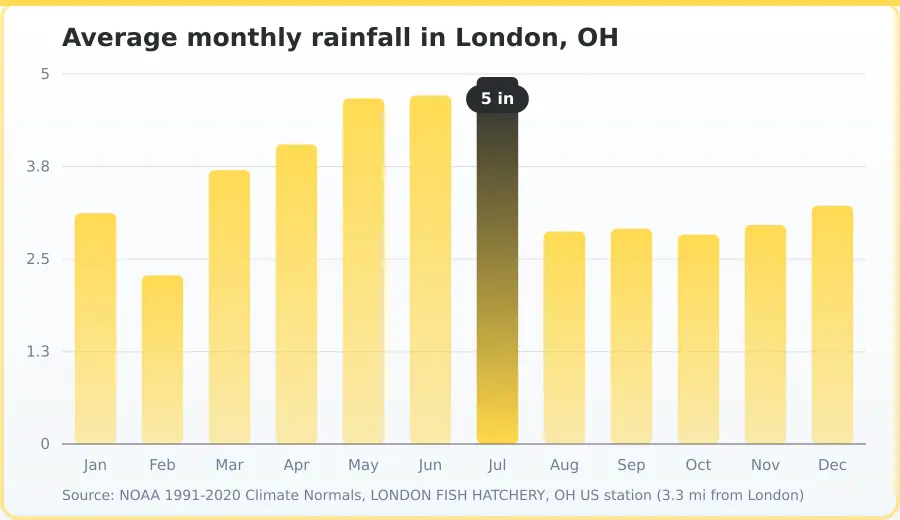
| Period | Monthly rainfall (in) |
|---|---|
| Jan | 3.1 |
| Feb | 2.3 |
| Mar | 3.7 |
| Apr | 4.1 |
| May | 4.7 |
| Jun | 4.7 |
| Jul | 5 |
| Aug | 2.9 |
| Sep | 2.9 |
| Oct | 2.8 |
| Nov | 3 |
| Dec | 3.2 |
Source: NOAA 1991-2020 Climate Normals, LONDON FISH HATCHERY, OH US station (3.3 mi from London). Retrieved October 5, 2026.
Seasonal Drywall Mold Removal Guide for London
Spring: Moisture Awakening
Spring thaw and increased rainfall elevate indoor humidity, causing drywall to absorb moisture and become susceptible to mold colonization. Norbert Mold Remediation connects London property owners with local providers who inspect drywall in basements, crawl spaces, and walls for early-stage mold growth before it spreads.
Summer: Active Growth
Summer heat and humidity create ideal conditions for drywall mold to proliferate rapidly once established. Local remediation providers accessed through Norbert focus on contained removal and proper drying to prevent spore dispersal throughout your home and protect indoor air quality during the warmest months.
Fall: Transition Risk
As temperatures drop and homes close up for cooler weather, drywall in older Midwest construction—particularly in basements and crawl spaces typical of the area—traps residual moisture that encourages mold persistence. Norbert Mold Remediation helps London homeowners connect with local providers to address drywall mold before winter seals moisture inside.
Winter: Hidden Spread
Cold, dry outdoor air contrasts with heated, sealed indoor spaces, causing condensation and moisture accumulation on drywall surfaces. Local mold removal providers help identify and safely remediate drywall affected by winter moisture buildup, preventing structural damage and indoor air concerns through spring.
Related Services
Drywall Mold Removal FAQs — London, OH
Drywall mold removal addresses mold growth on drywall surfaces, which commonly occurs in areas exposed to moisture over time. The process typically involves containment, inspection of affected panels, removal or remediation of contaminated sections, and verification that moisture sources are controlled to prevent recurrence. A local provider will assess the extent and location of mold on your drywall to determine the best removal approach for your home.
Norbert Mold Remediation connects London property owners with independent local providers who can respond to drywall mold removal requests. Response time varies by provider availability and the scope of your situation. Contacting a local provider as soon as you notice drywall mold helps ensure faster assessment and removal, especially given the region's sustained moisture conditions throughout much of the year.
Drywall mold removal costs depend on several factors: the size and location of affected areas, whether panels need removal or surface treatment, accessibility, and moisture source remediation. The extent of mold growth and underlying water damage assessment also influence pricing. Each independent provider in the Norbert network sets their own rates based on the specific work required for your property.
Your provider will inspect affected drywall, identify moisture sources, and explain the removal plan. Preparation may include protecting unaffected areas and clearing access. During removal, the provider will use containment measures to prevent spore spread, remove or treat moldy drywall sections, and ensure proper disposal. After removal, they'll address ventilation and moisture control to support dry conditions going forward.
After drywall mold removal, controlling indoor humidity and moisture is essential. Ensure bathrooms and kitchens have proper ventilation, fix plumbing leaks promptly, and maintain reasonable relative humidity levels indoors. Good air circulation and prompt attention to any water intrusion or dampness help protect newly repaired drywall. Your removal provider can advise on moisture management specific to your home's layout and moisture sources.
London's humid continental climate means elevated moisture levels persist across spring, summer, and fall, creating favorable conditions for drywall mold growth year-round rather than only after isolated wet events. This ongoing atmospheric moisture, combined with moisture trapped in basements and crawl spaces typical of older Midwest homes, increases the risk of drywall mold developing. Thorough removal and sustained moisture control are especially important in this region.
Homeowner Safety Toolkit
Verify Your London, OH Mold Remediation Company
Before you hire anyone, use these independent national resources to confirm credentials, standards, and track record.
EPA
The federal government's own guidance on identifying, cleaning up, and preventing mold growth in a home.
Mold Prevention GuideACAC
An independently accredited certifying body for mold inspectors and consultants — one of the few in this field whose standards are verified by an outside accreditation board, not just self-declared.
Find a Certified InspectorIICRC
Publishes the S520 standard for professional mold remediation. Confirm a company's technicians hold real, current IICRC certification before you hire them.
Verify CertificationDealing with Drywall Mold Removal in London, OH? Call (740) 224-8854 for 24/7 help.
Call Now — (740) 224-8854Areas We Serve in London, Ohio
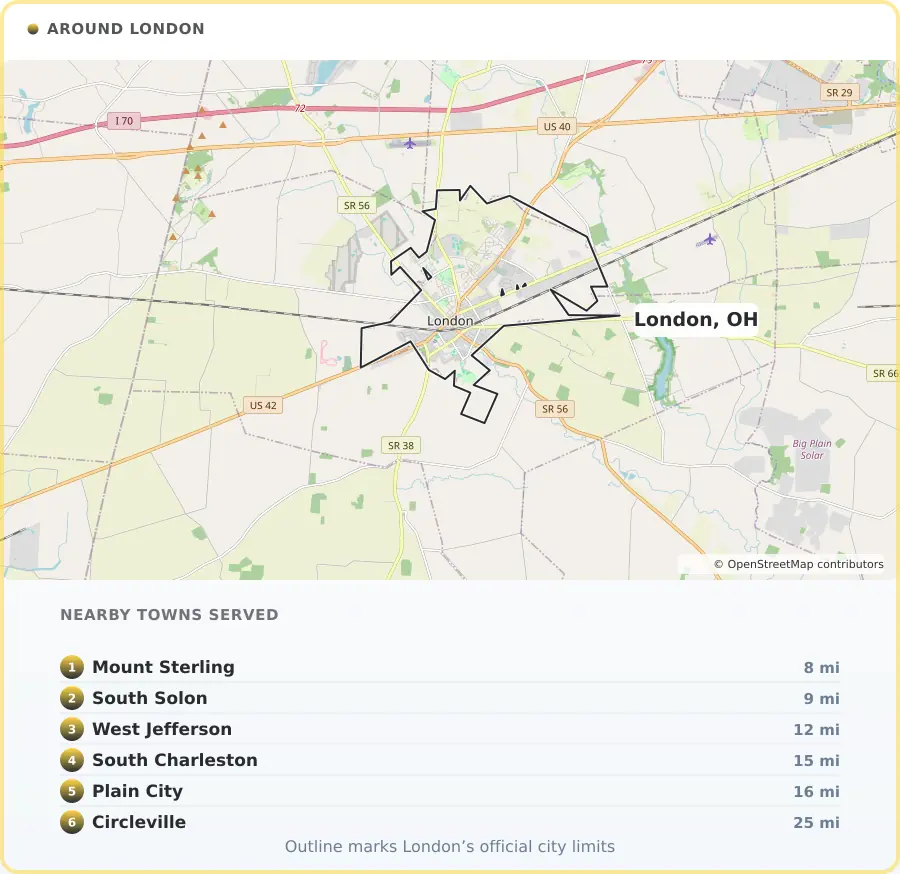
Serving London, OH and 6 communities around it. Local knowledge of how each area is built shapes how the work is handled there.
London, OH Information
London, Ohio is the county seat of Madison County, a community of roughly 10,500 people set amid the broad, fertile farmland of west-central Ohio. That agricultural foundation still shapes daily life here, supporting operations like Trillium Farm Holdings alongside steady work from the Madison Correctional Institution and a major Walmart distribution center. It's a town built on practical industries — logistics, corrections, and county government — rather than passing trends.
Beyond the warehouses and fields, London keeps its small-city rhythm through places like Madison Health and London City Schools, with retail and banking anchors such as Speedway and Park National Bank rounding things out. It's a place where neighbors know the courthouse square and the harvest season still carries real weight.
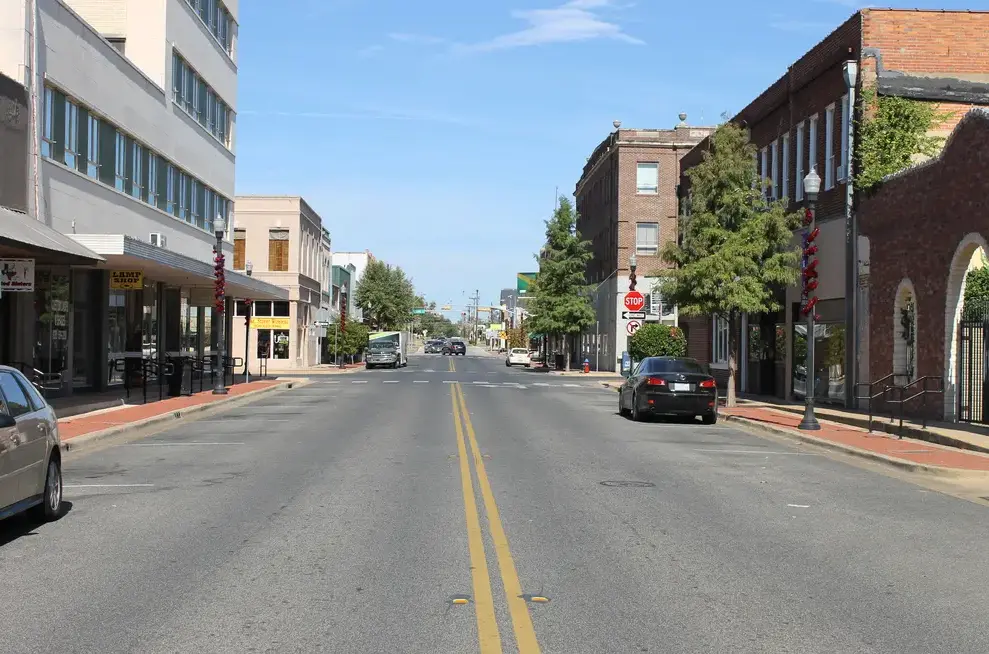
Photo: Billy Hathorn, CC BY-SA 3.0